
zhao lai
director of genome sequencing facility of gccri

About
Director of Genome Sequencing Facility of GCCRI at UTHSCSA
united states
san antonio
research
data analysis, life sciences, molecular biology, genetics, cell biology, pcr, bioinformatics, genomics, biochemistry, cell culture, dna sequencing
Experience

assistant scientist and functional genomics unit leader
indiana university
When I took a position of Functional Genomics Unit leader working in the CGB, I actively led and participated many genomic studies to generate permanent genomic resources for Compositae research community. I started to get more genomic experience from microarrays to high throughput sequencing, and was really excited to the molecular application with the cutting edge technology development.
postdoctoral fellow
indiana university
After my graduation, I joined Dr. Loren Rieseberg’s laboratory for my postdoc training, where I focused on understanding the molecular genetic changes underlying plant speciation, adaptation and weediness in the Compositae, the largest and most economically important families of flowering plants, comprising one-tenth of all known flowering plant species. My research work has made substantial contribution to understand the role of chromosome rearrangement, the gene expression regulation and DNA polymorphism underlying the phenotypic variation we observed in the Compositae family.

director of genome sequencing facility of gccri
uthscsa
I'm currently leading Next Generation Sequencing activities at University of Texas Health Science Center at San Antonio. I welcome opportunities to partner on many kinds of research projects, both as scientific collaborators and on a fee-for-service basis. With my current position as Director of Genome Sequencing Facility, I actively communicate with the principal investigators to set up the experimental design, protocol development and associated data analysis. I contributed in the experimental setup, data collection and analysis in some projects including RNA-seq, metegenomics, and rare cancer mutation identification.
Education

chinese academy of sciences
biology
Plant self-incompatibility has been known for at least two centuries and was viewed by the great biologist Darwin as “one of the most surprising facts which I have ever observed”. Understanding this unique cell-cell recognition system will enrich our understanding of the immune systems of plants, animals and humans, and also have huge potential usage for agricultural hybrid production. My graduate work demonstrated the first cloning of a pollen S gene in an S-RNase based self incompatibility system, and the first evidences that the ubiquitin pathway may involved in the response of self incompatibility. A patent related to the gene was filed and has been granted (patent granted number: CN082I000206). This work was regarded as a milestone in the field of self-incompatibility and has been widely cited by papers in Nature, Plant Cell, Trends in Immunology, Trends in Genetics, Trends in Plant Science, Annual Review of Plant Biology and others. Activities and Societies: Molecular mechanism of self-incompatibility in Antirrhinum.
zhao lai's Contact Information
Phone
Find the Right Leads
Find Verified Contact Data

What LeadContact does well
Find verified emails, phone numbers, and decision-makers with 98% accuracy.

Find Leads
Find the right people by company, role, industry, location, and more.
925M+ professional profiles


Find Emails
Access verified email addresses for your target contacts.
657M+ emails


Find Phone Numbers
Get cross-validated phone data from multiple top sources.
239M+ phone numbers

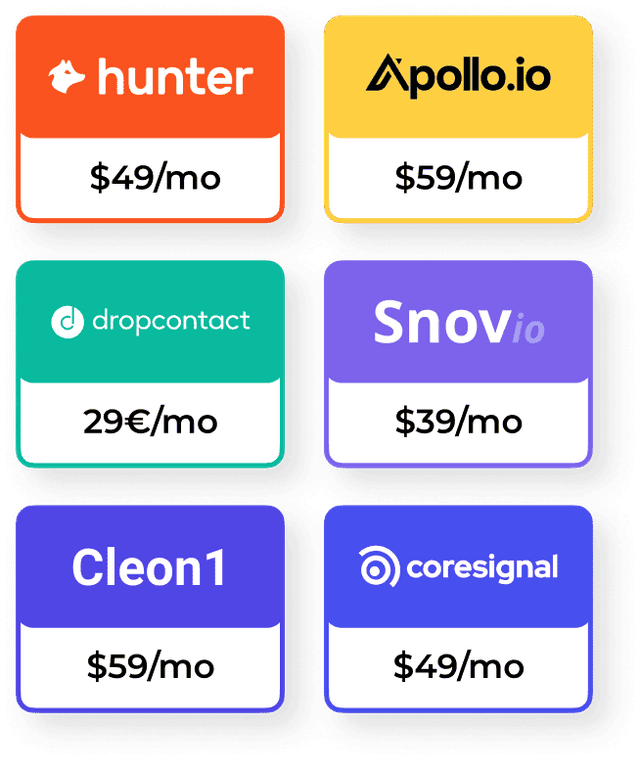
More Accurate. Lower Cost.
Find contact data in 1 tool with 98% accuracy
LeadContact integrates leading enrichment tools to deliver more accurate contact data—without paying for each one.


Great conversations start with the right contact.
It’s time to find yours.