
Lakshmi Bhagat
Director, Preclinical R&D @ EveryONE Medicines
About
I am a biotechnology leader specializing in RNA therapeutics, nonclinical development, and translational biology, with more than two decades of experience advancing ASO, siRNA, mRNA, and innate immune programs from discovery through IND‑enabling studies and clinical trials. I have extensive experience in directing GLP toxicology, DMPK, and biomarker strategies for rare disease and individualized ASO programs, including contributing to the first patient treated under the UK’s master protocol for personalized oligonucleotide therapies. I am known for integrating deep scientific expertise with cross‑functional leadership, CRO management, and regulatory engagement to accelerate program decisions and clinical readiness. My work spans platform innovation, translational assay development, and the progression of multiple RNA therapeutics into clinical development. Expertise in: • Antisense/ oligonucleotide therapeutics from target identification, design, screening, delivery and validation through in vitro and in vivo testing • Nucleic acid- and small molecule immunomodulators, including toll-like receptor (TLR), RIG-I and STING agonists as well as antagonists • Drug discovery, from hit to lead screening, establishment and optimization of preclinical in vitro and in vivo assays for lead optimization, PK/PD correlation, potential biomarkers and receptor occupancy • Translational research for preclinical biomarker and assay development for a wide range of rare diseases including autoimmune, inflammatory, neuronal, neuromuscular and immuno-oncology diseases • Design and execution of mechanism of action and proof-of-concept studies from preclinical to Phase 2/3 clinical trials • Establishing in vitro and ex-vivo cell-based models using both primary and immortalized cell lines • Authoring and reviewing technical reports, appropriate sections of IND documents, investigator brochures, clinical protocols, global regulatory filing documents, patent applications, scientific abstracts, publications and presentations. Ad hoc reviewer for scientific journals • Targeting immune-checkpoints and other cell signaling pathways for immuno-oncology • Training and mentoring fellows and research scientists
United States
Boston
Biotechnology
Nucleic acid therapeutics, Biomarker and assay development, Vendor and project management, Targeted Drug Delivery, Antisense, CRO Management, Individualized precison medicine, Drug Discovery, Molecular Biology, Oligonucleotide therapeutics, In Vitro, Cell Culture, Assay Development, Biotechnology, Immunology, Drug Development, Lifesciences, Pharmaceutical Industry, Western Blotting, Animal Models
Experience

Director, Preclinical R&D
EveryONE Medicines

Boston, MA
Lead nonclinical and translational strategy for individualized ASO programs, serving as SME for ASO design and in vitro screening, toxicology, pharmacology, and regulatory requirements. Directing GLP tox, DMPK, and safety studies; establishing biomarker and bioanalytical assay platforms; and guiding cross-functional teams across Biology, Chemistry, CMC, and Quality. Vendor/CRO management. Authoring and reviewing nonclinical and PK/PD clinical sections of INDs, CTAs, IMPDs, IBs, and lab manuals; engaging with regulatory authorities

Associate Scientific Director, Oligonucleotides
GeneLeap Biotech LLC / Luye Pharma Group
Woburn, Massachusetts, United States
TLR9 agonists and novel delivery formulations for immunooncology, mRNA cap and Poly (A) tail modifications, mRNA therapies for infectious diseases and cancer, antisense and siRNA for cardiovascular diseases
Senior Investigator II
GeneLeap Biotech LLC / Luye Pharma Group
Woburn, Massachusetts, United States
Associate Director, Immunology
Spring Bank Pharmaceuticals, Inc.
Oversee and lead biology efforts for the STING antagonist platform for inflammatory and autoimmune diseases and HBx antisense as a potential therapy for chronic Hepatitis B. Established and led the academic collaboration for testing lead STING antagonist compounds. Also worked on developing RIG-I agonists for immune-oncology and RIG-I and STING agonists as antivirals and vaccine adjuvants.
Discovery Group Leader-Immunology
Spring Bank Pharmaceuticals, Inc.
Hopkinton, MA
Led a group of four scientists for the design, screening and nomination of SB 527 as the lead, novel chimeric antisense oligonucleotide (CASO) targeting all HBV viral transcripts, by attaching the immunomodulatory dinucleotide SB 9000, the active metabolite of Inarigivir (RIG-I agonist in Hepatitis B clinical trials). Co-ordinated all studies with CROs and NIH and simultaneously characterized compounds in house for immune-modulation, stability, RNase H activity and transporter assays to shed light on the MOA of these novel CASOs. Poster at HepDart 2019 selected for special mention as novel therapies in development

Principal Scientist
Idera Pharmaceuticals
Oversee the collective efforts of 5 project leads for the rare diseases project. Pre-clinical discovery work led to selection of compounds for one Phase 3 and eleven Phase 1/2 clinical trials in multiple disease indications (immuno-oncology, dermatomyositis, DLBCL, Waldenstrom’s macroglobulinemia, psoriasis, hepatitis-C, renal cell carcinoma). Work focused on novel antisense and TLR immune modulation (TLR agonist and antagonist) platforms • Established in vitro and ex-vivo cell-based models using both primary human and mouse cells and immortalized cell lines • Developed and implemented immunoassays, molecular, gene and protein biomarker assays in support of multiple therapeutic area programs. • Served as Discovery Project Team Lead for the APOC-III antisense platform. Discovery Lead in the cross-functional Product Strategy Team. • Key biology team member in a cross-functional team for establishing, screening and selection of lead novel antisense candidates in assays in vitro for external GSK collaboration for an undisclosed renal target • Led the collaborations with two leading academic labs for targeting DUX4 in FSHD (facioscapulohumeral muscular dystrophy) • Standardized preclinical models to accelerate screening and selection of novel gene-silencing antisense compounds • Key discovery team contributor to Idera’s IMO-2125 immuno-oncology program and establishment of preclinical IMO-2125- induced IFN-signature assay as a clinical biomarker • Successfully executed a robust translational program for TLR antagonists IMO-3100, IMO-8400 and IMO-9200 (proof-of-concept research plans, mechanism of action studies, identified new indications and development of ex-vivo PBMC assays and incorporated biomarker cytokine panels for NHP and Phase 1 trial designs) • Key contributor to the development of Idera’s TLR3 agonist platform: SAR and MOA studies, • Authored atechnical reports,documents for IND filing, patent applications, abstracts, publications and presentations
Senior Scientist
Idera Pharmaceuticals
Cambridge, MA
Designed and executed studies to screen and establish preclinical models for the nucleic acid-based TLR agonist platform that led to a successful collaboration with Merck & Co. for vaccine adjuvants. Also profiled the antagonist activity of IMO-3100. • Established in vitro primary (PBMCs, pDCs, mDCs, B cells, monocytes) and reporter assays for evaluation of TLR7, 8 and 9 agonists for a vaccine research collaboration with Merck & Co. Trained new scientists to work exclusively on the project • Developed and implemented PD assays in collaboration with the toxicology and drug development team members • Tested the antagonist activities of a series of compounds that resulted in the selection of IMO-3100 as the lead antagonist candidate • Designed SAR assays to elucidate the role of 5’-end, linker, oligonucleotide length and base position and modifications in TLR9 agonists • Validated the activity of TLR9 agonists in immune cell assays from multiple animal species for potential veterinary applications • Gene expression profiling and transcription factor analysis studies to elucidate the mode of action of TLR agonists • Evaluation of samples generated from in vivo experiments • Key team member of a cross functional team responsible for analysis and interpretation of clinical and safety data for lead TLR9 agonists, IMO-2055 and IMO-2125 • Worked on a collaboration for studying HIV-specific responses following immunization with gp120-depleted whole killed HIV immunogen and IMO-2055, a second-generation CpG DNA • Performed exploratory studies using second generation antisense to elucidate the role of TLRs and adaptor molecules in activation of innate immune responses • Supported the chemistry team in design of compounds with improved stability and activity
Research Scientist
Idera Pharmaceuticals
Cambridge, MA
Successfully established preclinical in vitro and in vivo models for the proprietary TLR9 agonist platform • Initiated and standardized in vitro (PBMC) and in vivo assays for the TLR9 agonist platform • Set up radioactive EMSAs in house
Instructor in Surgery
Harvard Medical School, Beth Israel Deaconess Medical Center
Greater Boston Area
Conducted basic research focused on cell biology of the pancreas, acute and chronic pancreatitis, pancreatitis-associated lung injury and heat shock proteins. Based on this work, Minnelide (a small molecule HSP70 inhibitor) is currently in a Phase II trial for refractory pancreatic cancers. • Primary focus on understanding the pathophysiology of acute pancreatitis and the role of heat shock proteins (HSPs), NF-kB, PI3K, lymphocytes and adhesion molecules in this disease • Developed an in vitro model of rat pancreatic fragments and showed that culture stress induces the expression of HSP70 and results in the inhibition of caerulein-induced trypsinogen activation • Elucidated the role of trypsinogen activation in the development and progression of pancreatitis-associated ARDS (acute respiratory distress syndrome) in animal models of pancreatitis • First use of antisense oligonucleotides in both in vitro and in vivo models of pancreatitis to elucidate the protective role of HSP70 in pancreatitis • Teaching responsibilities included training the research fellows in the lab a variety of biochemical, cell biology and histological techniques. Also taught the basics of microscopy (light and fluorescent) to the users of microscopic facility in the lab
Research Fellow in Surgery
Harvard Medical School, Beth Israel Deaconess Medical Center
Boston, Ma
Studied the early events leading to premature trypsinogen activation and cell injury and showed that lysosomal enzymes (cathepsin B) and digestive enzyme zymogens get co-localized in small vesicles/vacuoles in the early stages of pancreatitis and that trypsinogen activation leads to cell injury and is dependent on calcium
Postdoctoral Fellow
School of Veterinary Science, Massey University
Palmerston North, New Zealand
Emphasis on factors involved in neural regeneration, melatonin rhythms and pineal-neuroendocrine axis • Studied the analgesic effects on endogenous melatonin production in sheep • Performed biochemical and immunohistochemical studies to study the effects of unilateral superior cervical ganglionectomy (SCG) on GAP43 expression during neural regeneration
Education

Delhi University
Zoology/Endocrinology
Thesis on "Compensatory ovarian hypertrophy and its significance for the characterization of pineal antigonadotropic activity"
Lakshmi Bhagat's Contact Information
Phone
Find the Right Leads
Find Verified Contact Data

What LeadContact does well
Find verified emails, phone numbers, and decision-makers with 98% accuracy.

Find Leads
Find the right people by company, role, industry, location, and more.
925M+ professional profiles


Find Emails
Access verified email addresses for your target contacts.
657M+ emails


Find Phone Numbers
Get cross-validated phone data from multiple top sources.
239M+ phone numbers

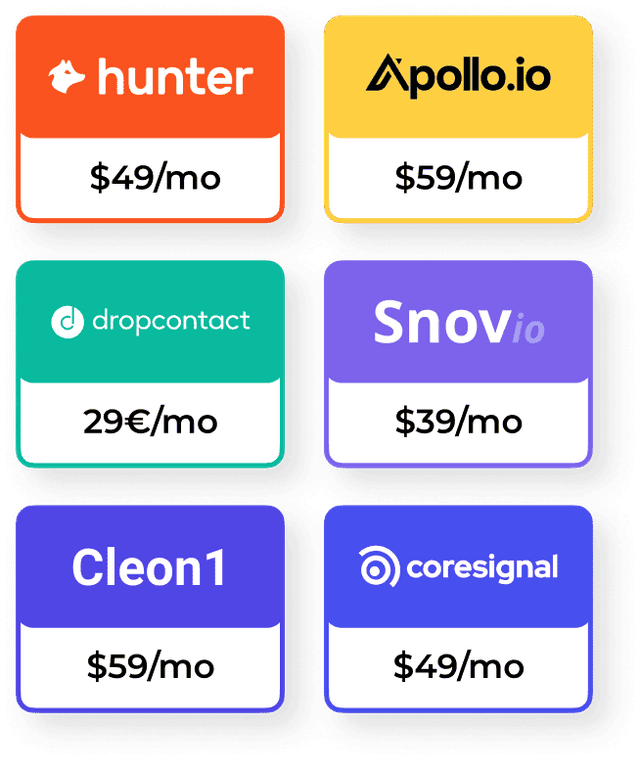
More Accurate. Lower Cost.
Find contact data in 1 tool with 98% accuracy
LeadContact integrates leading enrichment tools to deliver more accurate contact data—without paying for each one.

Great conversations start with the right contact.
It’s time to find yours.