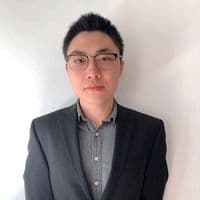
Hongyu Zhang
Antibody Scientist II @ iBio, Inc.
About
Highly motivated and hardworking individual with a passion for continuous learning and a strong work ethic. Proven ability to work effectively both independently and as part of a team. Adaptable to new situations and challenges with a dedication to delivering results and a commitment to supporting colleagues. Seeking new opportunities to expand knowledge and skills while making a positive impact in any organization.
United States
San Diego Metropolitan Area
Biotechnology
Oral Communication, Communication Training, Protein Characterization, Display Technologies, Translational Medicine, Nucleic Acid, Bioassay, Purification, Mammalian, Analytical Methods Development, Analytical Techniques, Design of Experiments (DOE), Protein Assays, PCR Techniques, Affinity Chromatography, Tissue Processing, Genomics, Experimental Design, Data Analytics, In Vitro Diagnostics (IVD)
Experience
Antibody Scientist II
iBio, Inc.

San Diego Metropolitan Area
Antibody Scientist I
iBio, Inc.
San Diego Metropolitan Area

Ph.D Candidate
University of Southern California
Project 1: Invented a novel method to generate high-affinity antibodies. •Developed and optimized methods for mutagenizing immunoglobulin genes and cloning them into phage display vectors. •Designed and conducted phage-based and peptide-based ELISA assays in a high-throughput manner to identify desired antibodies. •Utilized Benchling for data analysis and ML/AI tools for protein structure and protein-protein interaction predictions. •Purified selected antibodies using SEC (size exclusion chromatography) via NGC and characterized antibodies on SDS-PAGE gels. •Evaluated 2-4-fold binding enhancement of purified antibodies using SPR dissociation equilibrium measurement. Project 2: Investigated the scanning and catalysis activity of Activation-induced Cytidine Deaminase (AID) on ssDNA. •Designed and refined the NGS library sequencing strategy, achieving a five-fold reduction in error rate for rare mutation detection. •Ensure the quality of NGS library with bioanalyzer and quantify the NGS library with qPCR. •Enhance the NGS data processing efficiency with an automated HPC-powered Python analysis pipeline. •Engineered fluorescence-labeled AID using sortases and employed FRET to analyze the scanning and binding kinetics of AID.
Teaching Assistant
University of Southern California
-Taught weekly lab sections to undergrad students. -Presentations aimed to help students understand the concepts of the weekly lab experiment. -Helped write and grade homework assignments and lab exams.
Summer Intern
Roche Sequencing USA
Santa Clara, California, United States
Project: Development of an early-stage DNA-methylation cancer diagnostic product. •Optimized the enzymatical activity of the target protein from 40% to over 90% through reaction condition adjustment. •Assessed the binding kinetics of the target protein and its cofactor via gel-shift and Mass Photometry assays. •Initiated the project to understand the sequence preferences of the target protein by Illumina NGS and PacBio Sequencing.

Research Fellow
Nodes Advisors AG
-Performed due diligence on startups weekly to evaluate the scientific validity and investment opportunities. -Sourced potential clients each week to help build deal flows. -Scouted startups that could fit in Nodes’ Biotech X AI program.
Vice-director of Career Development
USC CGSA
-Connected students to various career resources. -Initiated the connection between CGSA and USC resources (USC ALI and USC Career Center). -Started the collaboration between CGSA and multiple Recruiter companies including Boss Zhipin and Liepin.

Research Assistant
Brown University
Project: Explored the effect of methylation pathway on liver disease development. •Reduced the expression of TET via shRNA knockdown and lentivirus transduction and verified the effect with Western blotting. •Investigated TET1 as a liver cancer promotor in both in vitro 2D and 3D cell culture and in vivo tumor cells injected mouse model. •Examined the higher and lower expression of certain pathway proteins by mRNA extraction, transcription, and qPCR. •Utilized immunoassays including immunoprecipitation, Western blotting, and Dot blotting to investigate the TET1 related pathway. •Expedited research on non-alcoholic fatty liver disease by establishing and maintaining TET1 knockout mouse models.

Research Assistant
University of California San Diego
-Brainstormed and designed a better way to treat Multiple Myeloma with patient-specific features, which is possible to be industrial mass production. -Conducted literature reviews and searched IMGT/LIGM database to find a possible targeting method for the Myeloma cell with better accuracy. -Generated a library of amino acid sequences which could be the potential treatment targets
Research Assistant
University of California San Diego
-Determined the level and quantity of pancreatic trypsin leakage by immunohistochemistry of intestinal sections after hemorrhagic shock. -Studied two forms of protease inhibitions, single enteral inhibition with doxycycline (a MMPs inhibitor) without and with enteral serine protease inhibition, analyzed the results using ImageJ. -Concluded that the irreversible opening of the mucosal barrier in hemorrhagic shock involves multiple proteases and a dual inhibition serves to minimize the leakage of digestive enzymes out of the lumen of the small intestine. -Explored the influence of aging and diet on digestive enzyme leakage in brain tissues.
Education

University of Southern California
Molecular Biology

UC San Diego
Biotechnology

Andrews Osborne Academy
Hongyu Zhang's Contact Information
Phone
Find the Right Leads
Find Verified Contact Data

What LeadContact does well
Find verified emails, phone numbers, and decision-makers with 98% accuracy.

Find Leads
Find the right people by company, role, industry, location, and more.
925M+ professional profiles


Find Emails
Access verified email addresses for your target contacts.
657M+ emails


Find Phone Numbers
Get cross-validated phone data from multiple top sources.
239M+ phone numbers

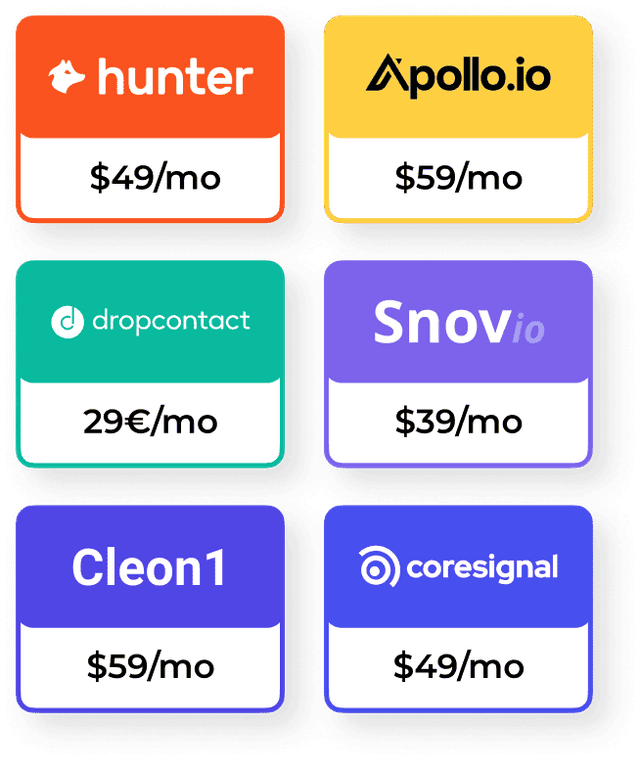
More Accurate. Lower Cost.
Find contact data in 1 tool with 98% accuracy
LeadContact integrates leading enrichment tools to deliver more accurate contact data—without paying for each one.

Great conversations start with the right contact.
It’s time to find yours.