
Raychan Abyqa Fahriza
Electrical Integration Engineer @ ALVA
About
Electrical Integration Engineer specializing in Electric Vehicle (EV) development, focused on delivering reliable, safe, and production-ready vehicles through vehicle systems integration, design validation, DFMEA, and technical risk management.Currently supporting 2-Wheeler Electric Vehicle (2W-EV) programs by integrating electrical architecture, powertrain systems, software and firmware functions, and vehicle subsystems throughout the product development lifecycle. By collaborating closely with design, manufacturing, testing, and quality teams, I help identify technical risks early, resolve complex engineering challenges, and ensure solutions meet performance, quality, and manufacturability requirements.With experience spanning battery testing, battery pack development, and vehicle integration, I bring a systems-level perspective that connects component-level engineering with complete vehicle performance. This background enables me to evaluate integration challenges beyond functionality alone, considering their impact on reliability, safety, validation, manufacturability, and overall product quality throughout the development lifecycle.Feel free to connect with me via LinkedIn DM or raychanabyqafariza@gmail.com to exchange ideas and insights in the EV field.
Indonesia
West Java
Automotive
Design Thinking, Engineering Design, Engineering, Digital Mockup (DMU), Requirements Management, Design Validation, Product Development, Product Validation, Vehicle Development, Electric Vehicle Systems, Electrical Integration, Powertrain Integration, Software and Firmware Integration, Vehicle Integration, Vehicle Systems Integration, System Integration Testing, Verification and Validation (V&V), Reliability Engineering, Battery Electric Vehicle (BEV), Battery Pack Development
Experience

Electrical Integration Engineer
ALVA

Kecamatan Cikarang Selatan
Scope of Responsibilities: • Lead vehicle-level electrical integration activities for 2-Wheeler Electric Vehicle (2W-EV) programs and charging station development projects, supporting development from the concept phase through production readiness. • Validate vehicle electrical architecture, subsystem interfaces, and functional integration using system analysis, Digital Mock-Up (DMU), and engineering reviews to ensure performance, safety, manufacturability, and quality requirements are achieved. • Manage the integration of approximately 30+ vehicle subsystems and components, including battery systems, powertrain & electrical components, software and firmware functions, and vehicle control systems. • Own vehicle-level DFMEA activities that include subsystems, vehicle functions, and historical design concerns, as well as managing over hundreds of potential failure modes to proactively identify risks and improve product robustness. • Coordinate cross-functional teams across design, manufacturing, testing, and supplier quality to resolve technical challenges and support successful vehicle development milestones. • Lead root-cause investigations, corrective actions, and design improvement initiatives based on development trials, validation results, and field feedback to enhance vehicle reliability and integration quality. • Support key vehicle development gates, including Prototype and Engineering Trial (Design Verification Phase) until Production Trial (Production Verification Phase). Ensuring technical issues are identified, tracked, and resolved prior to production release. • Manage engineering changes, design updates, and BOM alignment throughout the product development lifecycle to ensure design traceability and implementation accuracy. • Develop and maintain electrical integration standards, engineering best practices, and lessons learned to strengthen future vehicle development programs and continuous improvement initiatives.
Jr. Battery Engineer
ALVA
Kecamatan Cikarang Selatan
Scope of Responsibilities: • Performed the development of battery pack platforms for Electric Vehicle (EV) applications, utilizing various types of lithium-ion batteries while balancing performance, safety, reliability, and packaging requirements. • Defined battery cell selection, pack configuration, and system architecture based on vehicle performance targets, project requirements, and design constraints. • Contributed to Battery Management System (BMS) development and validation activities to ensure compliance with safety, functional, and reliability requirements. • Evaluated and integrated electrical and mechanical components within battery pack assemblies to ensure system compatibility, manufacturability, and product robustness. • Managed battery verification and validation activities covering approximately 100 test items based on product requirements, regulatory standards, and internal validation criteria. • Planned, executed, and analyzed battery performance, durability, and safety testing to support engineering decisions and product development milestones. • Collaborated closely with Vehicle Integration, Design, Manufacturing, Testing, and Quality teams to ensure successful integration of battery systems into EV platforms. • Supported issue investigation, root-cause analysis, and corrective actions during development and mass production phases to improve battery system reliability and product quality. • Contributed to Cost Reduction (CR) projects and continuous improvement initiatives focused on reliability enhancement, product robustness, and development process optimization.
Battery Testing & Standardization Supervisor
National Battery Research Institute
Serpong
NBRI is Indonesia's independent institute for electrochemical energy storage science and technology, supporting research, training, and education. NBRI aims to contribute to Indonesia's overall research capacity and training environment in battery research. The main goal of NBRI is to encourage and support a battery manufacturing industry using local resources, enabling Indonesia to be independent in energy. _______________________________________________ Scope of Responsibilities: • Conducted battery cell and battery pack verification activities, executing approximately 15 performance, safety, and reliability test programs annually in accordance with applicable ISO, IEC, SNI, and internal validation standards to ensure compliance with technical requirements and customer expectations. • Planned, prepared, and supervised battery testing laboratory operations, maintaining full compliance with Standard Operating Procedures (SOPs), testing protocols, and quality requirements. • Analyzed test results and generated technical reports for multiple development and research projects, providing data-driven recommendations to support engineering decisions and product evaluation activities. • Developed testing documentation, procedures, and standardization practices to improve consistency, traceability, and reliability of battery testing processes. • Delivered regular training, consultation, and technical guidance on battery testing methodologies, equipment operation, and best practices to internal stakeholders and project teams. • Collaborated with researchers, engineers, and external stakeholders to support battery technology development, validation activities, and technical problem-solving initiatives. • Supported the planning and execution of national and international battery technology events, contributing technical expertise and promoting knowledge sharing within the battery and energy storage ecosystem.
Electrical and Instrumentation Engineer
National Battery Research Institute
Serpong
Scope of Responsibilities: • Designed, assembled, and validated approximately 2–3 lithium-ion battery packs per month for research and development projects, ensuring compliance with performance, safety, and quality requirements. • Led battery pack development activities for 60V battery systems used in Electric Vehicle (EV) and Solar Power Plant (PLTS) research applications. • Selected and integrated battery pack components while supporting assembly verification and quality evaluation to ensure reliable system performance. • Conducted battery performance testing and analyzed test results to evaluate battery behavior, validate design assumptions, and support product development activities. • Prepared technical reports and progress updates related to battery assembly, testing, and product quality to support project monitoring and engineering documentation. • Assisted in the preparation and management of battery assembly laboratory activities, ensuring compliance with laboratory procedures, safety requirements, and operational standards. • Collaborated with other teams to support battery technology development, product evaluation, and technical problem-solving activities. • Supported the planning and execution of national and international battery technology events, contributing technical knowledge sharing and stakeholder engagement initiatives.
EV Battery System Technical Support
PT. Marta Energi Otomotif
Jatiasih
Scope of Responsibilities: • Provided technical consultation and design guidance for lithium-ion battery pack making for electric bicycle and 2-Wheeler Electric Vehicle (2W-EV) applications. • Advised on battery pack architecture, cell selection, configuration design, and system integration strategies to meet performance, safety, and application requirements. • Conducted battery pack design reviews and technical evaluations, identifying opportunities to improve product reliability, manufacturability, and overall system robustness. • Supported technical risk assessment activities and recommended engineering solutions related to battery system design, integration, and product development challenges. • Collaborated with project stakeholders throughout prototype development phases, supporting design optimization and issue resolution activities.

Electrical Manager
ANARGYA ITS TEAM
Surabaya
Established on September 8th, 2018. The Anargya Electric Vehicle Team is a student research team based in Indonesia at the Sepuluh Nopember Institute of Technology. The team conducts research and development on electric vehicles, formula cars in particular. To produce an outstanding single-seat car, the team works with students from various majors and divides into different divisions. For the record, Anargya has been competing in numerous competitions, including several international competitions such as Formula SAE Japan 2019, Formula SEV Bharat consecutively from the year 2020 to 2022, and many more. _______________________________________________ Activities: • Led the development and integration of all electrical systems for the ANARGYA Mark 2.0 Formula Electric Vehicle, ensuring compliance with Formula Student EV regulations and safety requirements. • Managed and coordinated electrical development activities covering both High-Voltage (HV) and Low-Voltage (LV) systems, including the Accumulator, Battery Management System (BMS), Wiring Harness, Tractive System Active Light (TSAL), Brake System Plausibility Device (BSPD), and supporting electrical subsystems. • Directed a multidisciplinary team of 30+ engineers, providing technical guidance, task allocation, project scheduling, and development oversight throughout the vehicle development lifecycle. • Conducted design reviews, technical risk assessments, and system verification activities to improve electrical system reliability, safety, and competition readiness. • Coordinated cross-functional integration activities with the mechanical, chassis, and vehicle dynamics teams to support successful vehicle development and validation. • Ensured all electrical designs, manufacturing activities, and testing procedures complied with Formula Student EV regulations, engineering standards, and team safety requirements.
Tractive System Engineer
ANARGYA ITS TEAM
Surabaya
Activities: • Designed and developed the accumulator system for the ANARGYA Mark 2.0 Formula Electric Vehicle, utilizing a 72V LFP pouch-cell battery architecture in accordance with Formula Student EV regulations. • Supported accumulator prototyping, manufacturing, assembly, and validation activities to ensure safety, performance, and system reliability requirements were achieved. • Participated in the development and integration of vehicle tractive system components, including battery systems, protection circuits, and supporting electrical infrastructure. • Performed technical analysis, troubleshooting, and design optimization activities to resolve electrical system issues and improve overall vehicle performance. • Collaborated with cross-functional engineering teams to ensure successful integration of tractive system components with vehicle mechanical and control systems. • Supported preparation for Formula Student EV competitions, including technical documentation, design reviews, and vehicle readiness activities.

BLDC Electric Motor Engineer
CAKRADEWA ITS Electric Vehicle Team
Surabaya
Activities: • Designed and calculated an axial BLDC motor for an electric go-kart developed for national electric vehicle competitions, considering performance, efficiency, manufacturability, and vehicle requirements. • Supported the manufacturing, assembly, and testing of the axial BLDC motor to validate design assumptions and ensure compliance with project objectives. • Conducted technical analysis, troubleshooting, and design improvement activities to address motor performance and reliability challenges. • Collaborated with multidisciplinary engineering teams to support propulsion system development and successful vehicle integration.
Education
Institut Teknologi Sepuluh Nopember (ITS)
Physics
Undergraduate Thesis: Optimization and Structural Analysis of Abaca Fiber Composite with Hydrophobic Rice Husk Ash Silica Coating for the Accumulator Container of the ANARGYA ITS Formula Electric Vehicle.
Raychan Abyqa Fahriza's Contact Information
Phone
Find the Right Leads
Find Verified Contact Data

What LeadContact does well
Find verified emails, phone numbers, and decision-makers with 98% accuracy.

Find Leads
Find the right people by company, role, industry, location, and more.
925M+ professional profiles


Find Emails
Access verified email addresses for your target contacts.
657M+ emails


Find Phone Numbers
Get cross-validated phone data from multiple top sources.
239M+ phone numbers
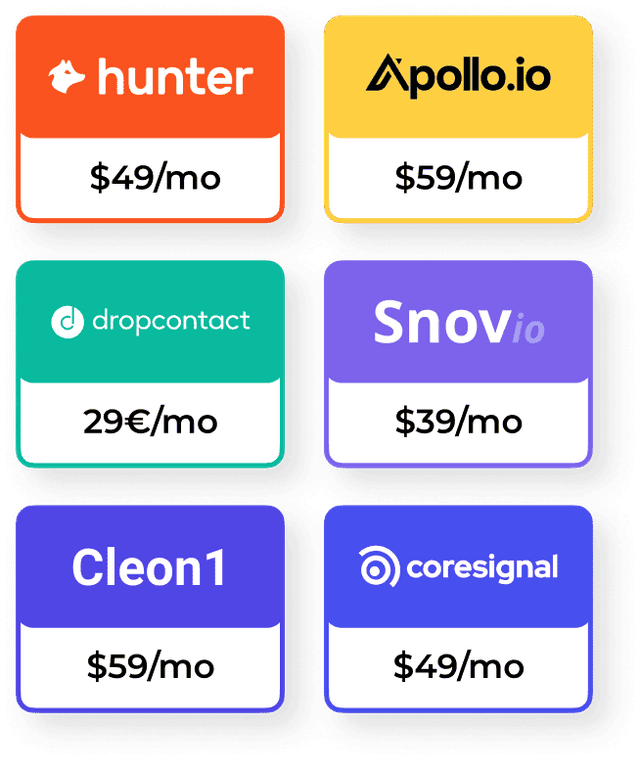
More Accurate. Lower Cost.
Find contact data in 1 tool with 98% accuracy
LeadContact integrates leading enrichment tools to deliver more accurate contact data—without paying for each one.

Great conversations start with the right contact.
It’s time to find yours.